Style transfer used to require a graphic design degree, expensive software, and hours of manual work. Today, AI has flipped that entirely. Whether you want to turn a photo into a Van Gogh painting, apply anime aesthetics to a portrait, or give your brand visuals a consistent artistic identity, AI style transfer tools can do it in seconds.
The market is crowded, though, and not every tool is worth your time. This list cuts through the noise and ranks the seven best image style transfer AI tools heading into 2026 — based on output quality, feature depth, ease of use, and overall value.
1. Pollo AI — Best Overall Image Style Transfer Tool
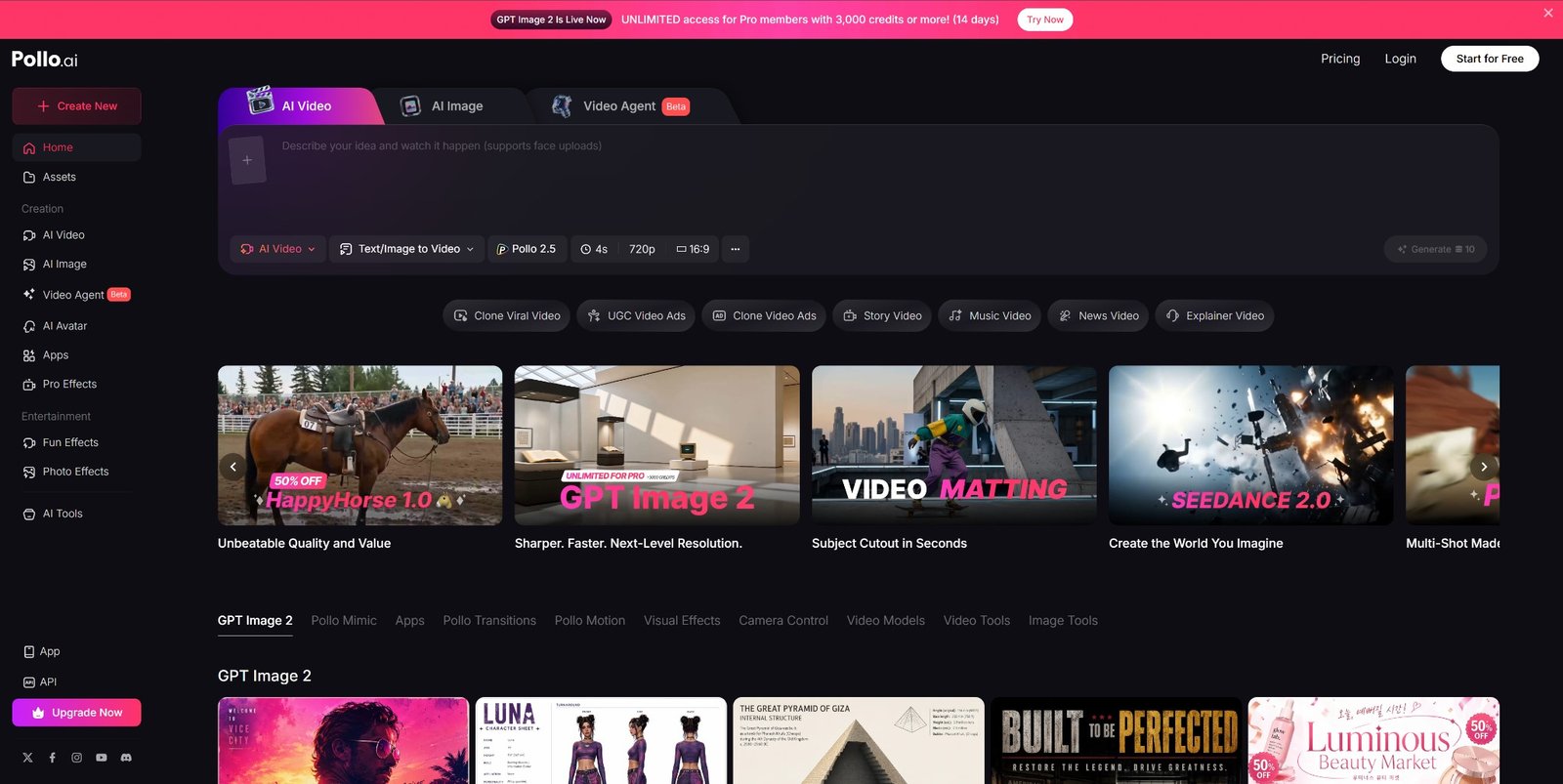
Pollo AI is a comprehensive AI creative agent that brings together some of the most powerful image generation and style transfer capabilities available, all within a single, clean interface. Rather than limiting users to one model or one aesthetic direction, Pollo AI gives you access to a broad library of styles — from photorealistic to painterly, cinematic to anime — and lets you apply them with precision.
What makes Pollo AI particularly strong for image style transfer is its flexibility. You can upload a reference image, select a target style, and generate results that maintain the structural integrity. It handles portraits, landscapes, product photography, and digital art with equal competence. For beginners and professionals alike, Pollo AI is the most well-rounded starting point in this category.
2. PixAI — Best for Anime and Illustrated Style Transfer
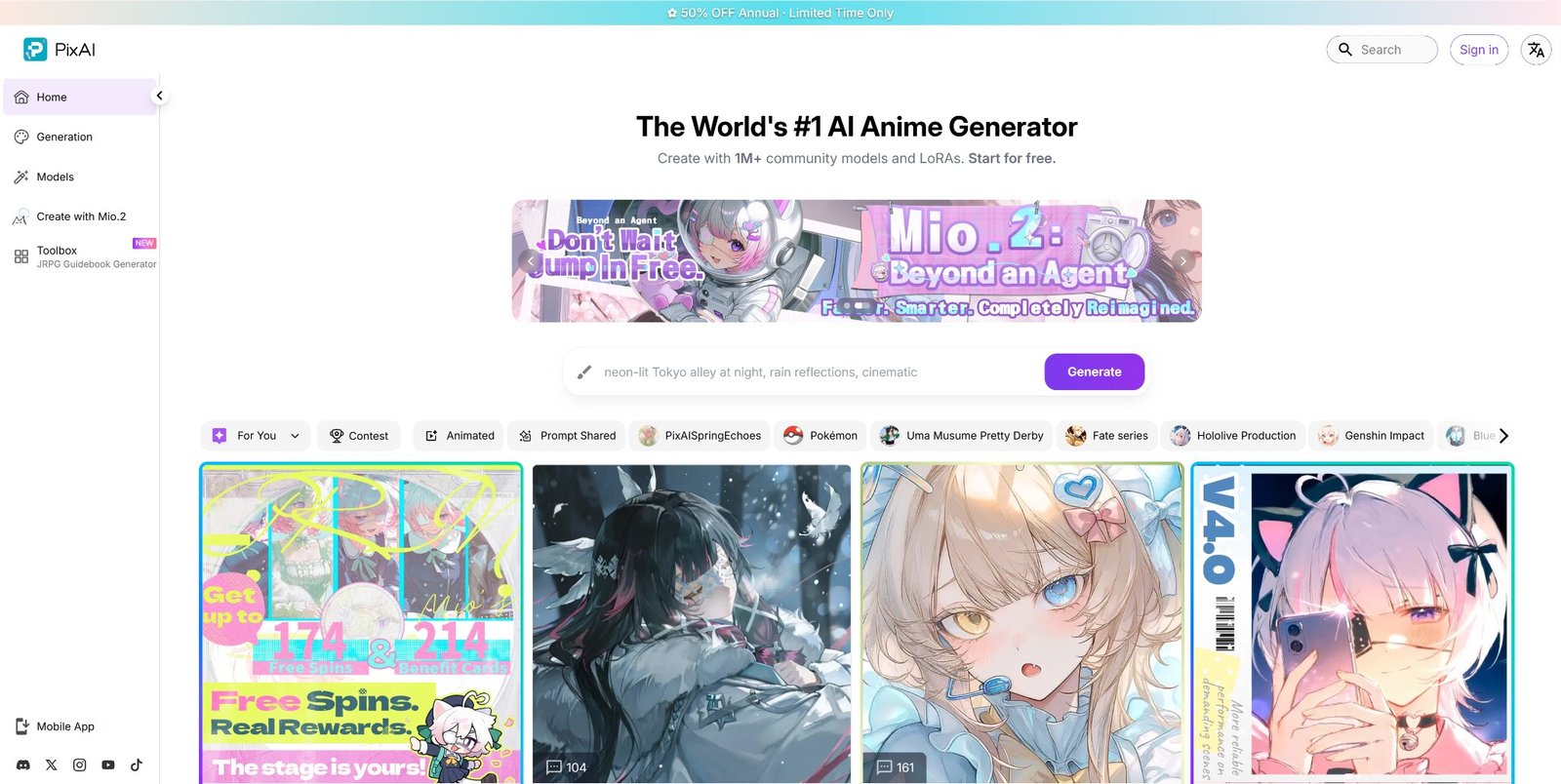
PixAI has carved out a strong reputation specifically within the anime and illustrated art community, and its style transfer capabilities reflect exactly that focus. The platform offers a rich selection of anime-adjacent styles — from classic shounen aesthetics to soft watercolor illustrations — and applies them with a consistency and authenticity that dedicated anime art fans will immediately appreciate.
What sets PixAI apart is the depth of its style library within its niche. While it may not cover the full breadth of artistic styles that broader platforms offer, what it does, it does exceptionally well. Character features are preserved cleanly during transfer, line work is crisp, and the color palettes feel genuinely faithful to the chosen style rather than approximated.
PixAI also supports a community-driven model ecosystem, meaning the style options continue to expand as creators contribute and share. For anyone whose style transfer needs live in the anime, manga, or illustrated art space, PixAI is the clear specialist choice.
3. Adobe Firefly — Best for Professional and Brand Use
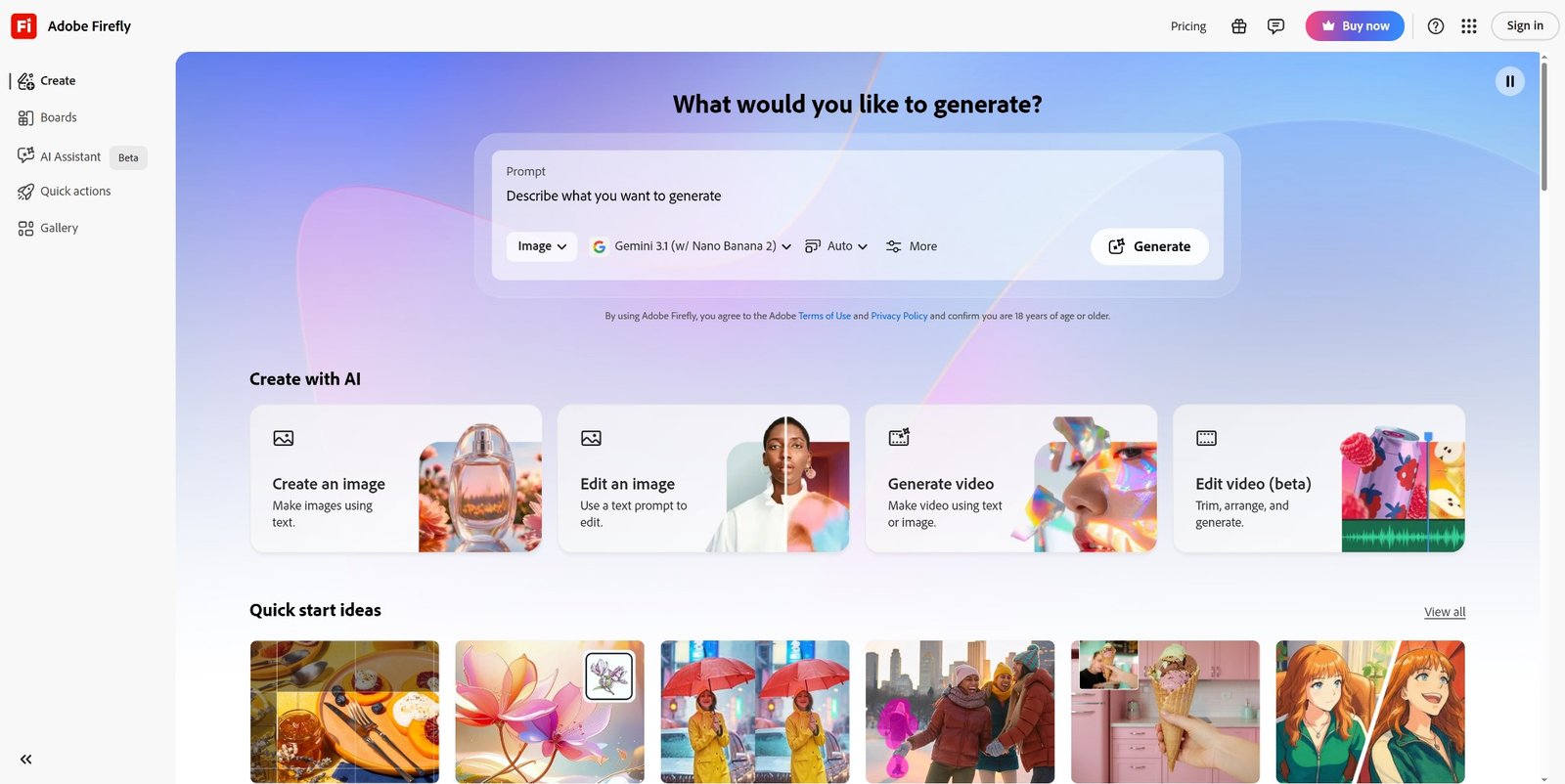
Adobe Firefly brings enterprise-level reliability to AI style transfer, and its deep integration with the Adobe Creative Cloud ecosystem makes it a natural fit for design professionals already working within that environment.
Style transfer through Firefly is handled with commercial-safe outputs in mind — the training data is licensed, which matters significantly for brands and agencies producing content at scale. The results are polished, controllable, and consistent, even if they sometimes feel slightly more conservative than what newer, more experimental platforms produce.
4. Stable Diffusion — Best for Advanced Customization
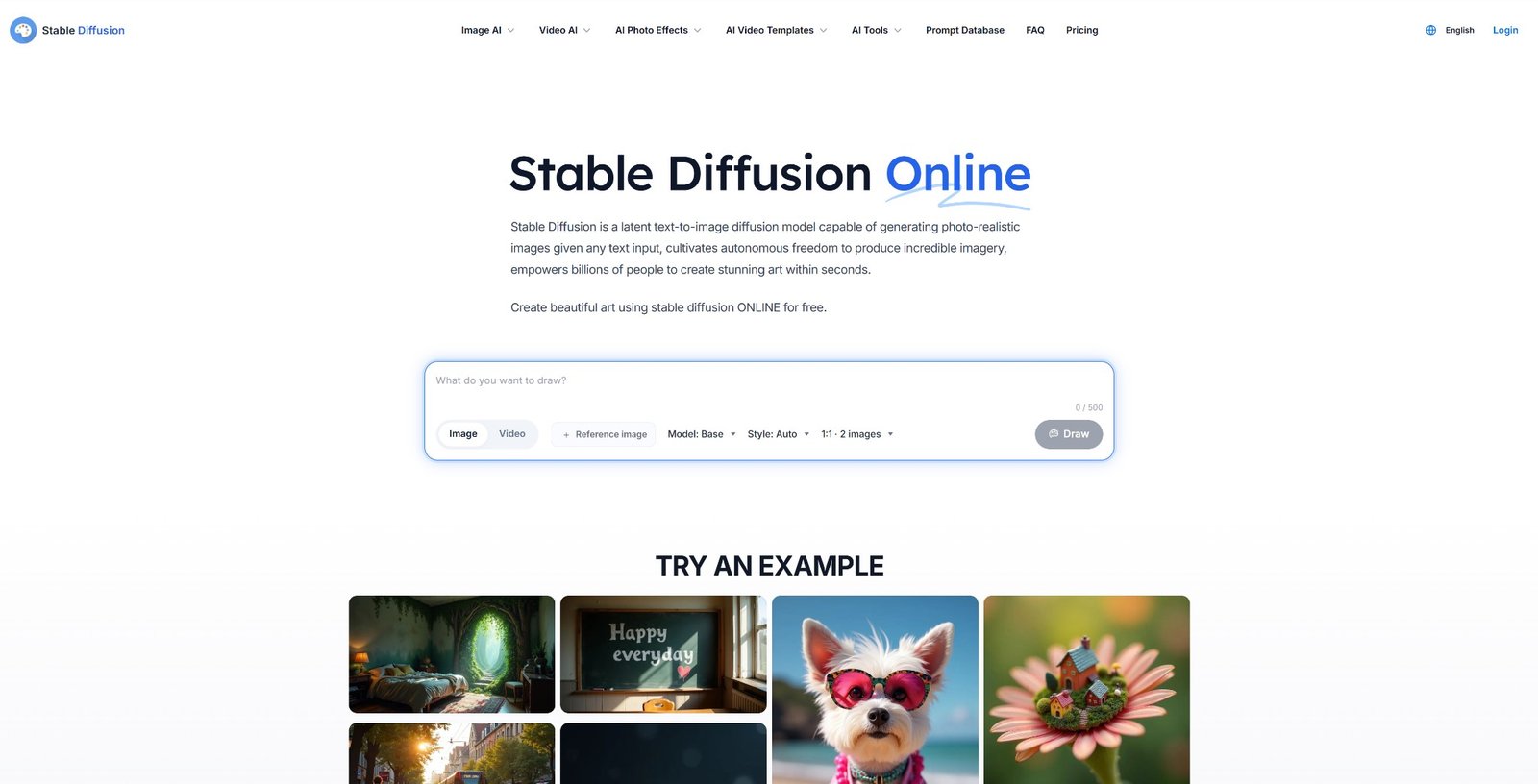
Stable Diffusion remains one of the most powerful open-source options for image style transfer, particularly for users who want granular control over every aspect of the generation process. Through tools like img2img and ControlNet, experienced users can apply styles with surgical precision, controlling how much of the original composition is preserved versus how aggressively the style is applied.
The trade-off is a steeper learning curve and a setup process that requires more technical comfort than plug-and-play platforms. But for power users who want maximum flexibility and zero platform restrictions, Stable Diffusion is unmatched.
5. Runway ML — Best for Style Transfer in Video and Motion
Runway ML has built a strong reputation across both image and video AI generation, and its style transfer capabilities extend meaningfully into the motion space — something most tools on this list don’t address.
For creators who want to apply a consistent artistic style not just to still images but to video frames and sequences, Runway ML offers a level of temporal consistency that makes stylized video content genuinely viable. Its image style transfer results are strong in their own right, with clean outputs and a well-designed interface that keeps the creative process moving.
6. DeepArt.io — Best for Classic Artistic Style Emulation
DeepArt.io is one of the original neural style transfer platforms, and it still holds up remarkably well for its specific strength: emulating the styles of classical and contemporary fine art masters. If you want your photograph to look like it was painted by Monet, Klimt, Picasso, or Kandinsky, DeepArt.io produces results that are among the most faithful in the category.
The interface is straightforward, the processing is handled server-side so no powerful local hardware is required, and the output quality at higher resolution tiers is genuinely impressive. It’s a more focused tool than the broader platforms on this list, but within its lane it remains highly competitive.
7. Fotor AI — Best for Quick, Casual Style Transfer
Fotor AI rounds out this list as the most accessible option for users who need fast, decent-quality style transfer without any learning curve whatsoever. The platform is browser-based, requires no account for basic use, and applies a selection of popular styles — oil painting, sketch, watercolor, cartoon — in seconds.
The results won’t satisfy professional designers looking for nuanced control, but for social media content, personal projects, or quick creative experiments, Fotor AI delivers a reliable experience that prioritizes speed and simplicity above all else. It’s the right tool when you need something done now rather than done perfectly.
The image style transfer space has matured significantly, and the tools available heading into 2026 reflect that growth. At the top end, platforms like Pollo AI offer the breadth, quality, and reliability that make them suitable for serious creative work across virtually any style direction.
Specialists like PixAI prove that deep focus within a niche can produce results that generalist platforms struggle to match. And tools like Stable Diffusion remind us that raw power and customization still have a home in this category for users willing to invest the time.
The best tool for you ultimately depends on your specific use case, your technical comfort level, and the aesthetic direction you’re working toward. But any of the seven platforms on this list will get you meaningfully further than starting from scratch — and in 2026, that’s exactly the kind of creative leverage that matters.
Join Our Telegram Group

Join Our WhatsApp Group